A KILLER VIRUS, A RACE AGAINST TIME...
With the Hayes virus sweeping across America, killing anyone it touches, maverick scientist Derek Lane knows he must find a cure…and fast. But with no obvious connections between victims and fears that the virus could be a weapon of terror, time is running out.
this global panic, Derek finds his own life at risk, too, when he is subjected to a spate of terrifying attacks by an unknown assailant. His only escape is to follow his leads to Africa, eradicate the virus, and outrun the danger at home.
Derek’s exploration plummets him into the underworld of illegal science where he sees the disturbing signs of a kind of reverse evolution, which he seeks to expose alongside the source of the virus.
But Africa guards her secrets well, and his search hits a brick wall—until he meets Kate Rhodes, a woman struggling with the mysterious death of her best friend, Emily, a fellow scientist.
Kate immerses herself in Emily’s research into environmental toxins and corporate corruption—discoveries that gain new relevance when Derek realizes that Emily’s death might hold the key to unlocking a cure…but can they stop the virus in time?
Fragments
 Taking pleasure in the sun on her skin, she was aware of something else. The earth, and the way it smelled. So this is what the soil smells like here, she thought and felt intoxicated. It was unlike anything else she’d experienced before. Stronger and richer. Did the Earth cast off its veil and reveal its true self in this wildest part of the world? Did it regress back into its ingénue state? It seemed that way.
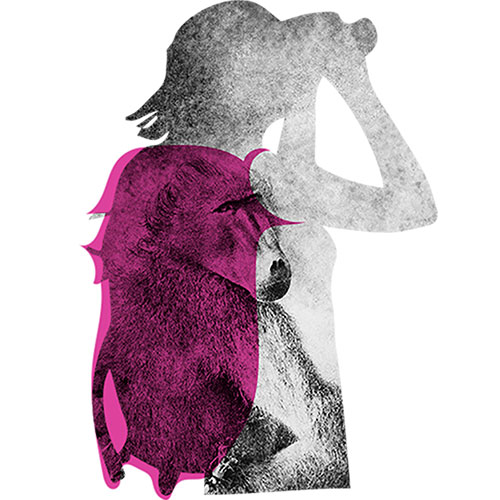
 Squatting down in the tall grasses, she removed her sunglasses, which the baboons would see as giant eyes—eyes that might scare them. She was careful when she pointed her binoculars at them, avoiding the sun’s glint. Baboons were to be treated with caution. They were strong and capable of doing major damage.
She watched them—the big frontrunner male setting the pace for the rest—and thought that very rich humans often behaved like dominant animals of other species. And that many regular folks paid excessive attention to the rich, following them as slavishly as a troop of baboons following its leader. 
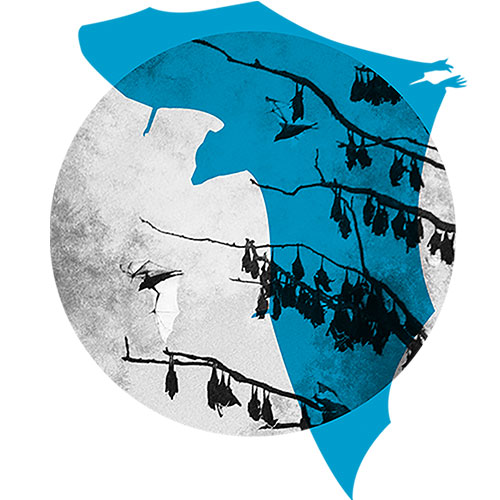
 More bats flapped in.
“They’re mesmerizing,” she said, staring up at the sky.
“Yes. They’re eye-catching from a distance, but make sure yours don’t return. They’re full of diseases. They’re the healthy-looking bearers of bad news.”
He balanced his wineglass on his knee and pet Ally’s soft blonde head.
“Speaking of bad news, was anything stolen yesterday?” He could still see her erupted bungalow in his mind’s eye. 
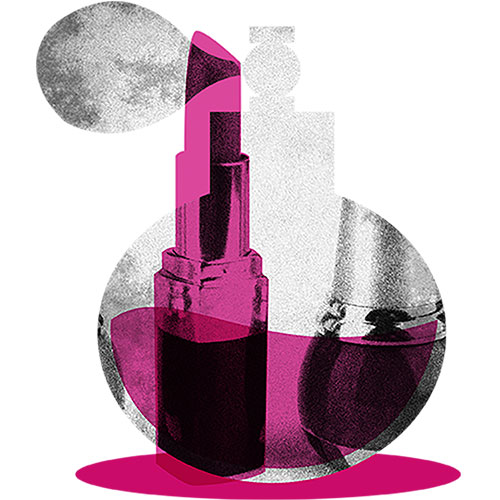
It was like stepping into a wonderland of lights and colors. A gardenia-like scent engulfed her, welcoming her to the domain of the beautiful. From a counter, a palette of eye-popping lipstick shades beckoned—from fuchsia pink to ruby red. No wonder women became beauty junkies, Kate thought. It was more than a lovely onslaught on the senses, it was the awakening of your potential—a preview of the woman you could become with the right lip liner and a dab of citrusy perfume.
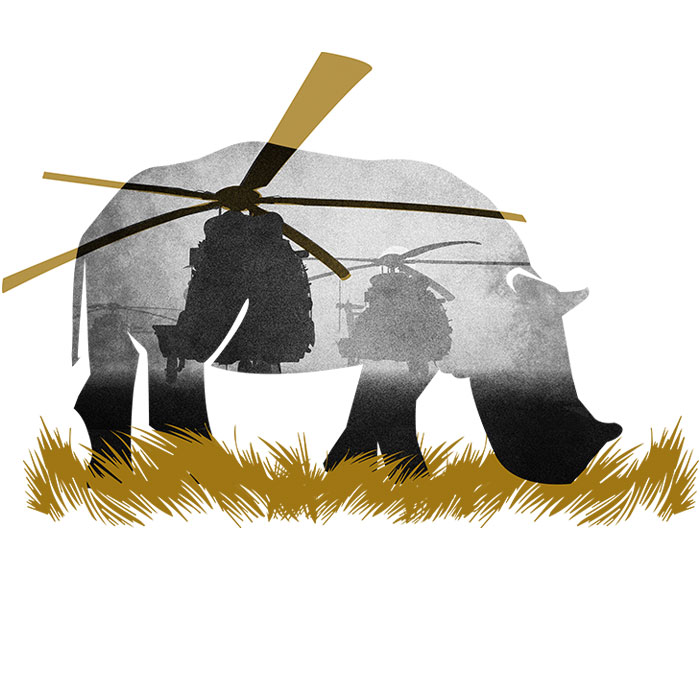
 The continent was under siege. There were no more northern white rhinos left in the wild, and poachers now targeted and slaughtered southern white rhinos. Organized crime syndicates from East Asia invaded these formerly peaceful plateaus with their military-grade helicopters and their night-vision equipment and their guns fitted with silencers.
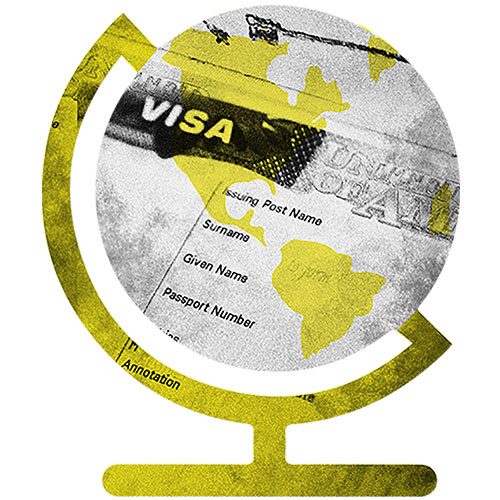
He suppressed a sigh. The dreaded question, the thing he hated being asked. He didn’t go around asking people where they’d been born, if they hailed from Ohio or Pennsylvania or Nova Scotia. The question was a reminder that he wasn’t from here, that he didn’t belong here. It had been years, and still he was considered a foreigner. He was sick of people treating him as if he’d just stepped off the boat.
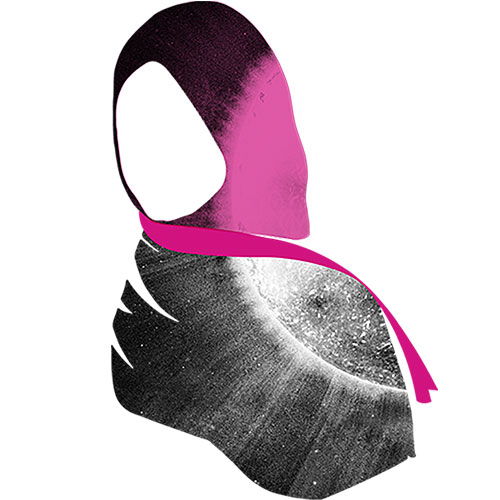
Seline had stopped covering her head when she’d come to the States. She’d despised hijabs, had said women were expected to wear draperies, not clothes.
“Do you think it’s right to blot out a woman’s body like that?” Seline had asked him. “To erase her arms and legs? As if they’re evil and should be hidden? As if they’re not worthy of being out in the sun?”
Kate fell asleep quickly, sleeping better than she had in months, without any nightmares. She woke up to a symphony of birdsong, with the day’s first light on her pillow and her limbs tangled in the sheets. The dogs got up and pressed their noses into her neck.
“Soon. We’ll go for a walk soon,” she told them. The wood smoke from the night before had seeped into the bungalow, into the curtains and bedding. She relished it, along with the cold bathroom tiles underneath her bare feet, the rest of her body still warm with sleep. She splashed her face with water, brushed her hair with impatient strokes.
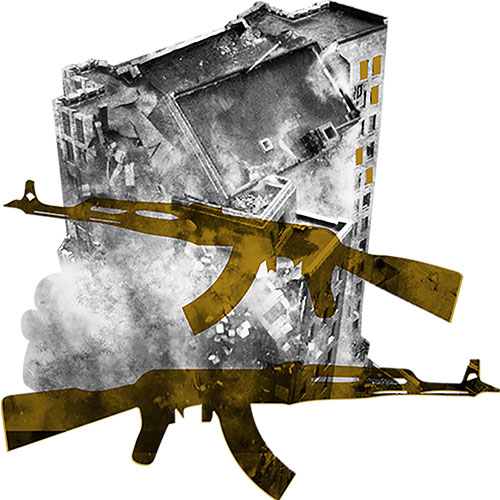
Whenever a new virus appeared, the feds always suspected terrorism, but he wasn’t sold on the bioterrorism theory. Viruses were not the big offenders in war—they weren’t considered macho enough. Terrorists liked making big statements. Guns clacking out strings of bullets, and buildings going up in smoke. Testosterone-screaming machine guns that were equally willing to destruct in the middle of a desert as they were on top of a glacier. An AK47 could be pulled from a puddle of mud and it wouldn’t miss a beat, it would rattle right on.
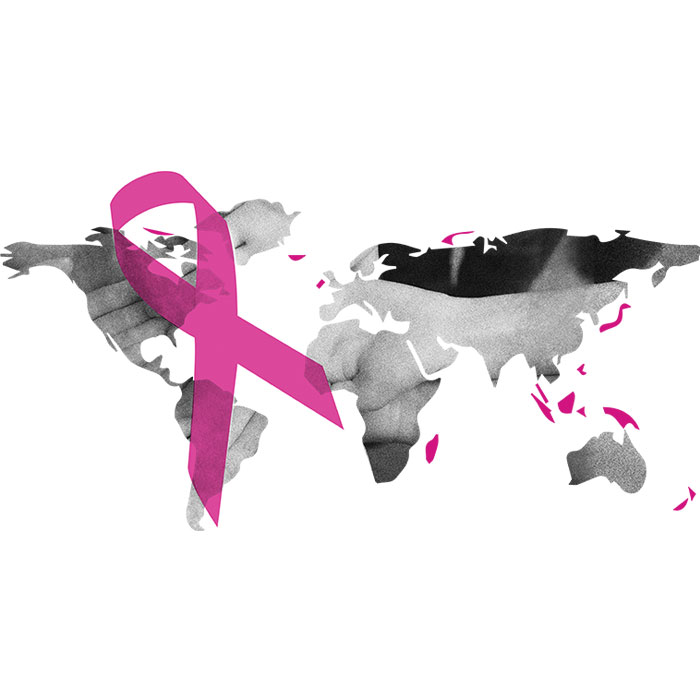
“Not much breast cancer in Africa,” she’d said.
It was that line that got me hooked. I zoomed in on Africa. And then Asia. And found breast cancer slumbering on those continents. Spinning the globe, I found Europe and North America lit up with incidents, like they were on fire. So many sick women. Breast cancer galloping across the West. Maiming women. Leaving them with impaired chests.
“You really think people are ready to have pig kidneys transplanted into them?” Derek asked.
Rudolph nodded and belched simultaneously. “Some people don’t have a choice. The organ shortage isn’t going away, and technology’s not moving fast enough to grow new organs.”
Derek nodded, envisioning 3D printers being loaded with cells and tissue and printing out new lungs and kidneys, but he knew those printed organs were still some years away.
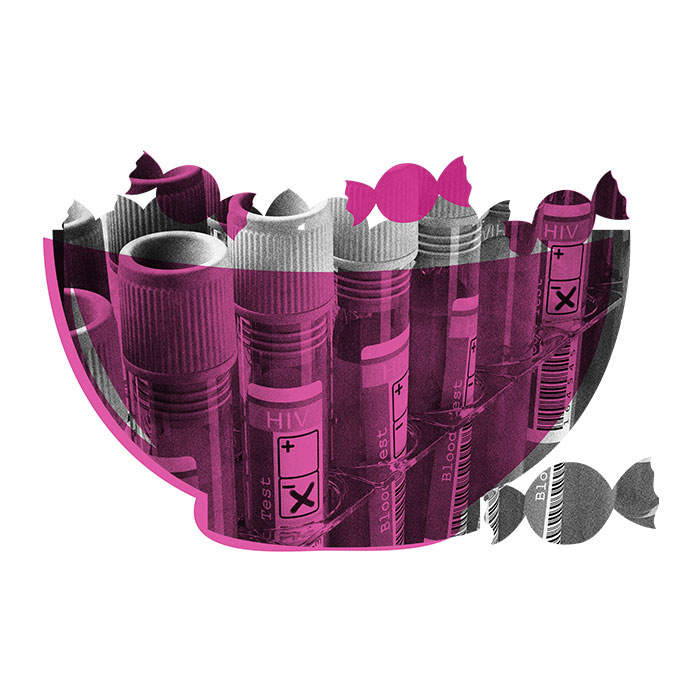
“We took a lot of blood,” she said apologetically.
He scooped up a handful of candy, clutching at it tightly. He swallowed, suppressing the nausea that had crept up into his throat. Being exposed in front of someone new always took him back to the moment he had first found out about his sickness…
It was Isabelle who had wanted to get tested because of her past, which had had an ominous ring to it as if it had been a battleground that had left her scarred. She’d wanted to confront her blood, to see if it carried any evidence of this past of hers, and in a show of camaraderie, he had offered up some of his own blood for inspection.
Recently a thirty-thousand-year-old virus had emerged in Siberia. It had been trapped under layers of ice that had surrounded it like an airtight glass jar and had survived from the time of woolly mammoths and sabertooth cats into the current era. And more viruses would be lurking inside the permafrost layers, waiting for the ice around them to be thawed by climate change or mining, waiting to be set free.
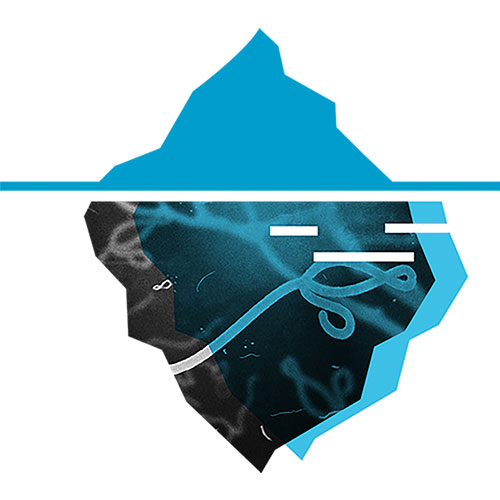
“What’s up with the animal cells?”
“Someone’s doing xeno-transplants.”
“I thought those were illegal?” she said, recalling their previous discussions. “It’s illegal in the US, but we’re not in Kansas anymore,” he said, squatting down to pet the dogs.
What they say.
“The book weaves a story around a compelling plot and many subplots, with one such subplot focusing on FDA restrictions imposed on these controversial but “potentially” life saving treatments. But, as they say, everything is covered in soot in a coal mine. Xenotransplants link to corporate corruption leading to environmental toxins and shines a critical light on the cosmetics industry. Excellent language and structure for a techno-thriller. Will require intellectual engagement from the reader, to stay with the plot line and the many sub plots. The author does an excellent job of weaving between these lanes, albeit at a fast pace. The voice remains accessible throughout. Not for the fainthearted—the language and plot— but whoever reads it will be rewarded. My only complaint, “it ended too soon.””
biochemist
@amazon
“I enjoy these Eco sci fy thrillers that raise questions about our current trends and worries where these trends might take us. The reminder that our regulatory agencies are all captured by the industries they are supposed to regulate is something I appreciated the author using to show the damage possible by our current system.”
Loretto
@amazon
“Kate Rhodes resigns from her Big Four accounting firm to join the largest retailer in the US in the accounting area. She soon is diverted to support the retailer’s entry into China, leading with its cosmetic line. Before she gets settled into that position, she is tasked to also perform due diligence on the company’s acquisition of a medical company in South Africa. She senses that she is being diverted from delving too deeply to some of her employer’s dealing. Furthermore, Kate is burdened by the death of her boyfriend in NY two years prior and the suicide of her college roommate 6 months earlier, two events seemingly unrelated which return to her during the course of the story.
Across the US in Colorado, virologist Derek Lane has sold his medical research company and finds himself the victim of multiple psychological attacks, leading him to investigate in Egypt and Africa the source of a mysterious disease with Ebola-like symptoms.
How Derek and Kate link to unearth corporate conspiracy(…)”
RedNeck in NC
@amazon
“Darwin Sin by L.R. Hughes is a dynamite read. A medical thriller that captures its audience and reels them in with every page. With enough action, the Bourne Series fans would love this new thriller. Suspense hangs onto readers as the plot unfolds. Fast-paced and brilliantly well-written. I can see this becoming a big motion picture like The Andromeda Strain. Heart pounding, intense, and addictive for all. L.R. Hughes brings us a story of one man and one woman who are willing to take risks where a new deadly virus is concerned. Illegal science, technological advancements, and travel will gobble readers up inside Darwin Sin. I have never read a medical suspense tale that plunges you deep into its depths and set you out on a race that deadly and highly dangerous.
Inside Darwin Sin, readers are introduced immediately to a scientist by the name of Derek Lane. He is being taunted by someone…that doesn’t want him around anymore. The discovery a virus that shouldn’t exist but does…Derek is more than determined to stop it before its too late. Then there’s a woman whose friend dies of a mysterious death. A scientist dead, and another about to search for a cure along with the dead’s scientist’s friend, Kate. Together they have to figure out the answers or else all will be for nothing. L.R. Hughes is indeed a talented writer (…)”
Danielle Urban
@amazon
“Humans had such a penchant for violence and destruction–it sometimes seemed like reverse evolution to her. The more power humans got, the more they regressed.”
LR Hughes has woven a real world dystopian thriller with her debut The Darwin Sin. This isn’t some far off doomsday scenario–this is today–with cross-species transmission and recombination of viruses, leading to a plague outbreak on two continents.
Add realistic characters with ambiguous motives and industrial malfeasance, all set against a backdrop of LA, the CDC labs, and rural South Africa, and you have a thriller that ought to keep you awake long after you’ve finished the last page thinking about the food products you consume and the health and beauty aids you apply to your body, every. day. of. your. life.
Zippergirl
@amazon
“This book is both captivating and intelligent.
The story unfolds on different continents, as the author provides insights into the cosmetic industry and medical malpractice.
Well known scientist Derek befriends Kate; both are trying to find the cause of the mysterious virus.
The reader will be rewarded by a plot that is thought provoking – a must read.”
Amazon Customer
@amazon